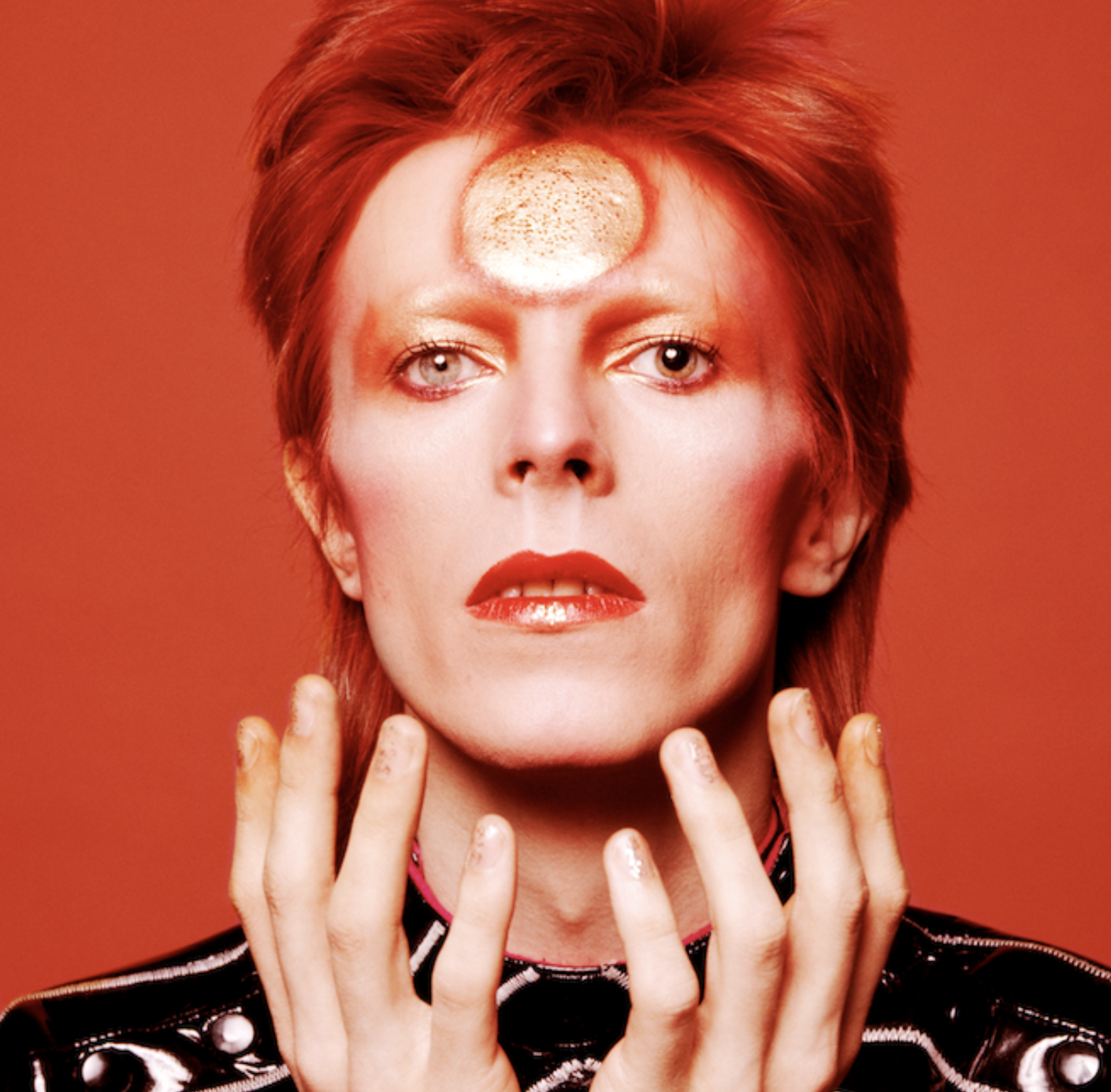
On October 9, a photo exhibition by iconic Japanese photographer Masayoshi Sukita, focusing on pop music legend David Bowie, will come to Estonia for the first time. This is a visual journey spanning more than 100 photographs, bringing together their four-decade-long creative partnership. At the end of September, Sukita will receive a lifetime achievement award at the Abbey Road Music Photography Awards in London.
Masayoshi Sukita came into contact with David Bowie in a rather unusual way: he didn’t speak English, and Bowie didn’t speak Japanese. But in 1972, upon seeing a poster of Bowie on a London street, he knew immediately that he had to photograph this person. What was supposed to be a single session turned into an influential collaboration that lasted four decades.
Sukita followed Bowie around the world—from press conferences in Tokyo to studio sessions in Berlin, the streets of Kyoto, and concert stages in New York. This friendship brought together two curious minds: Sukita was fascinated by Western culture, while Bowie was fascinated by the East. The result was a series of photographs that are not merely images of the artist, but a documentary series of two worlds discovering one another.
The album cover for Heroes (1977), shot by Sukita, is more than just music photography—it is cultural history.
🗓️ 09.10-25.04.2027
The exhibition program will certainly extend beyond the museum’s walls. PoCo organizes events at regular intervals: guided tours, film screenings, tribute band nights, and more intimate evenings with DJs and music experts who delve into the deeper layers of Bowie’s discography.
The exhibition is presented by PoCo in collaboration with Gbg Art AB and ONO arte.